Tending the Flame with Bryan David Griffith
TENDING THE FLAME BY BRYAN DAVID GRIFFITH
EXHIBITION DATES: NOVEMBER 21 - JANUARY 4TH
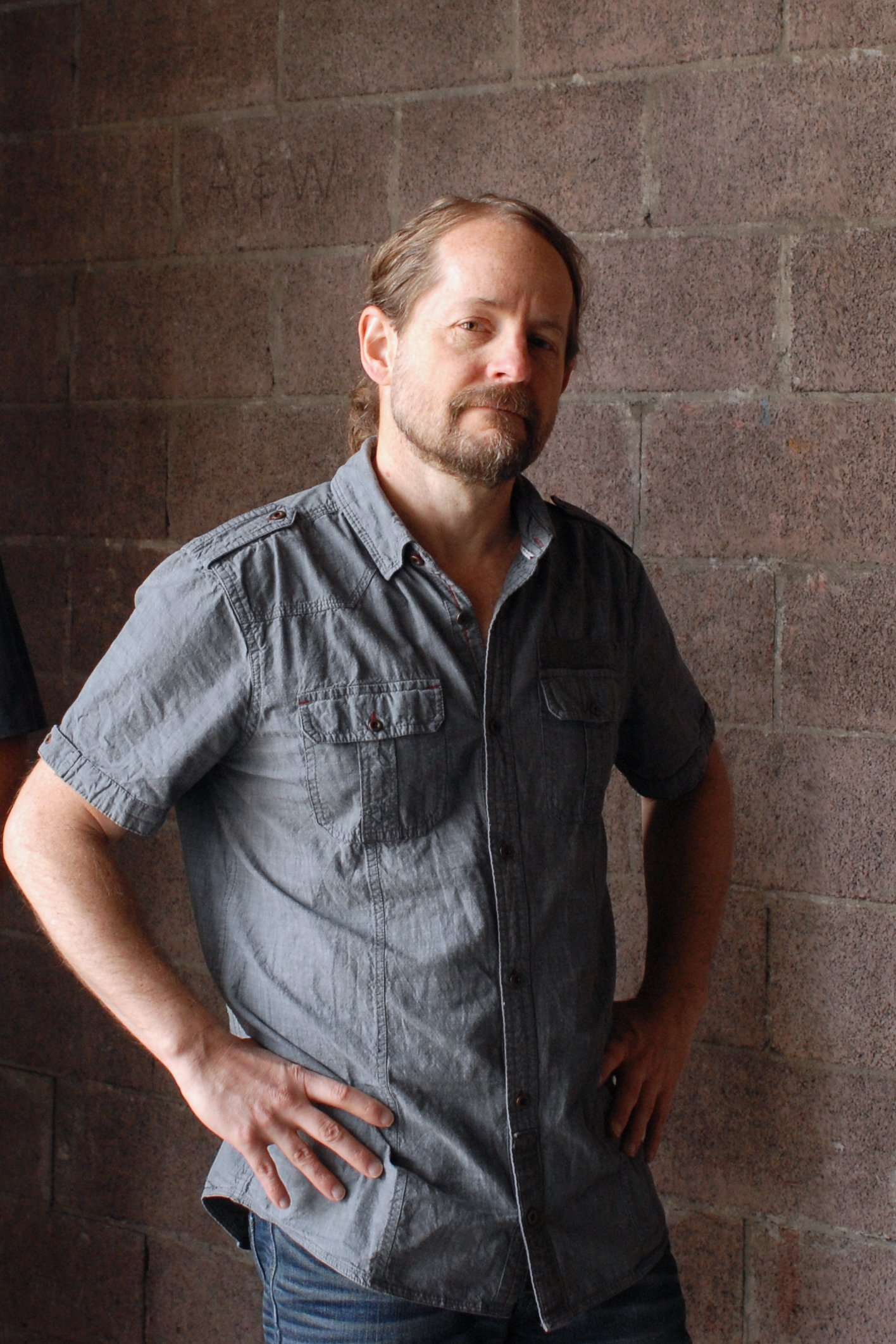
Bryan David Griffith, Tending the Flame, November 2025
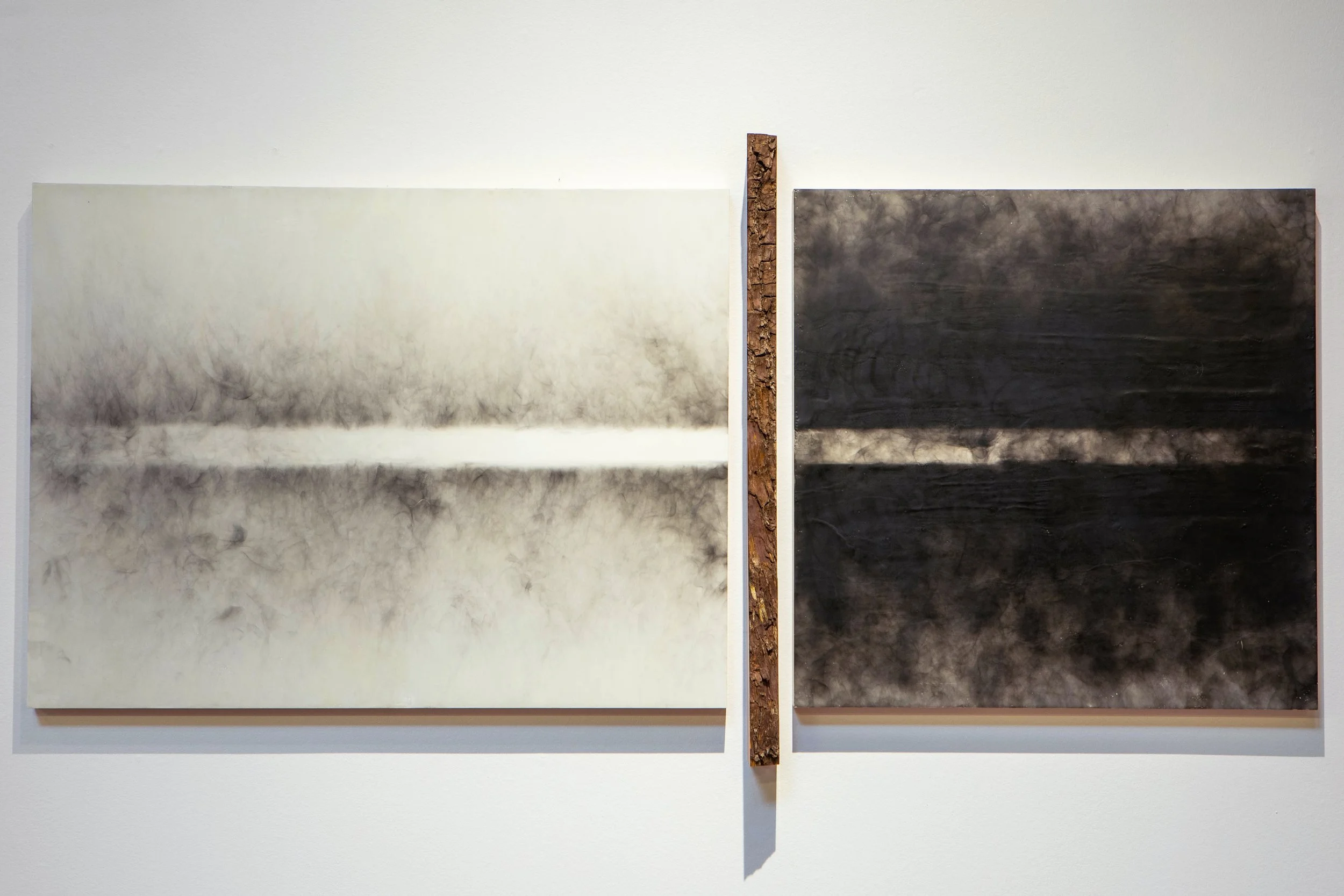
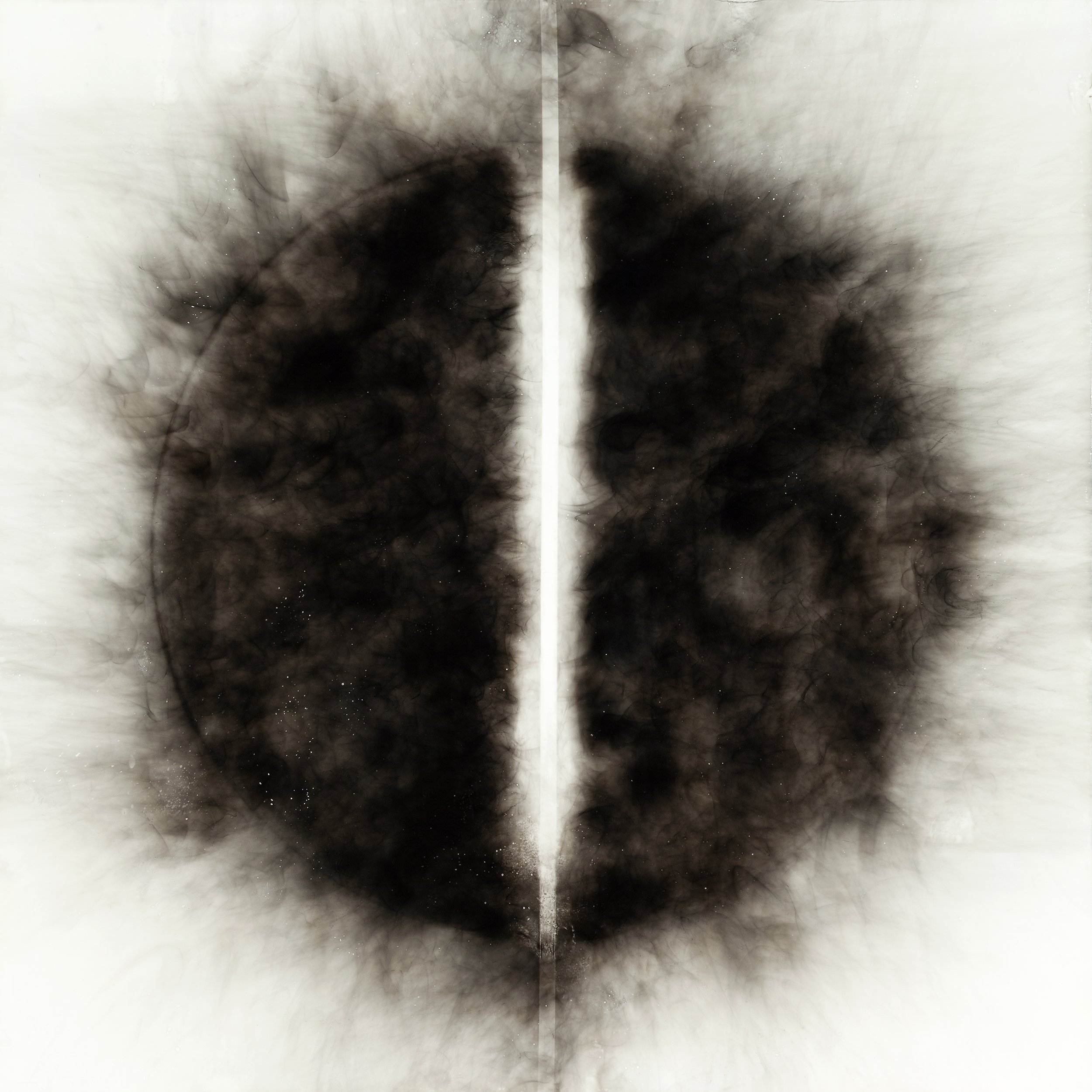
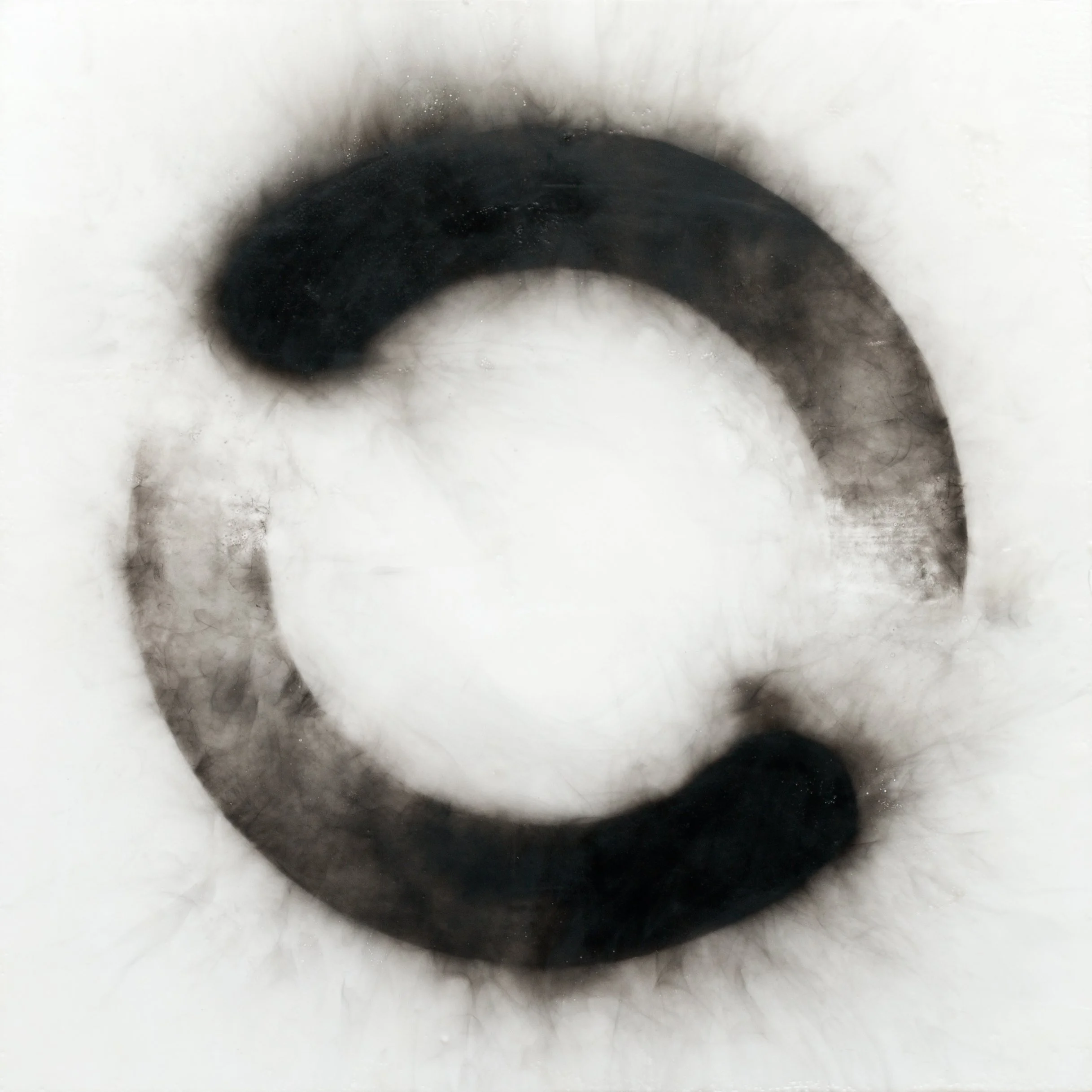
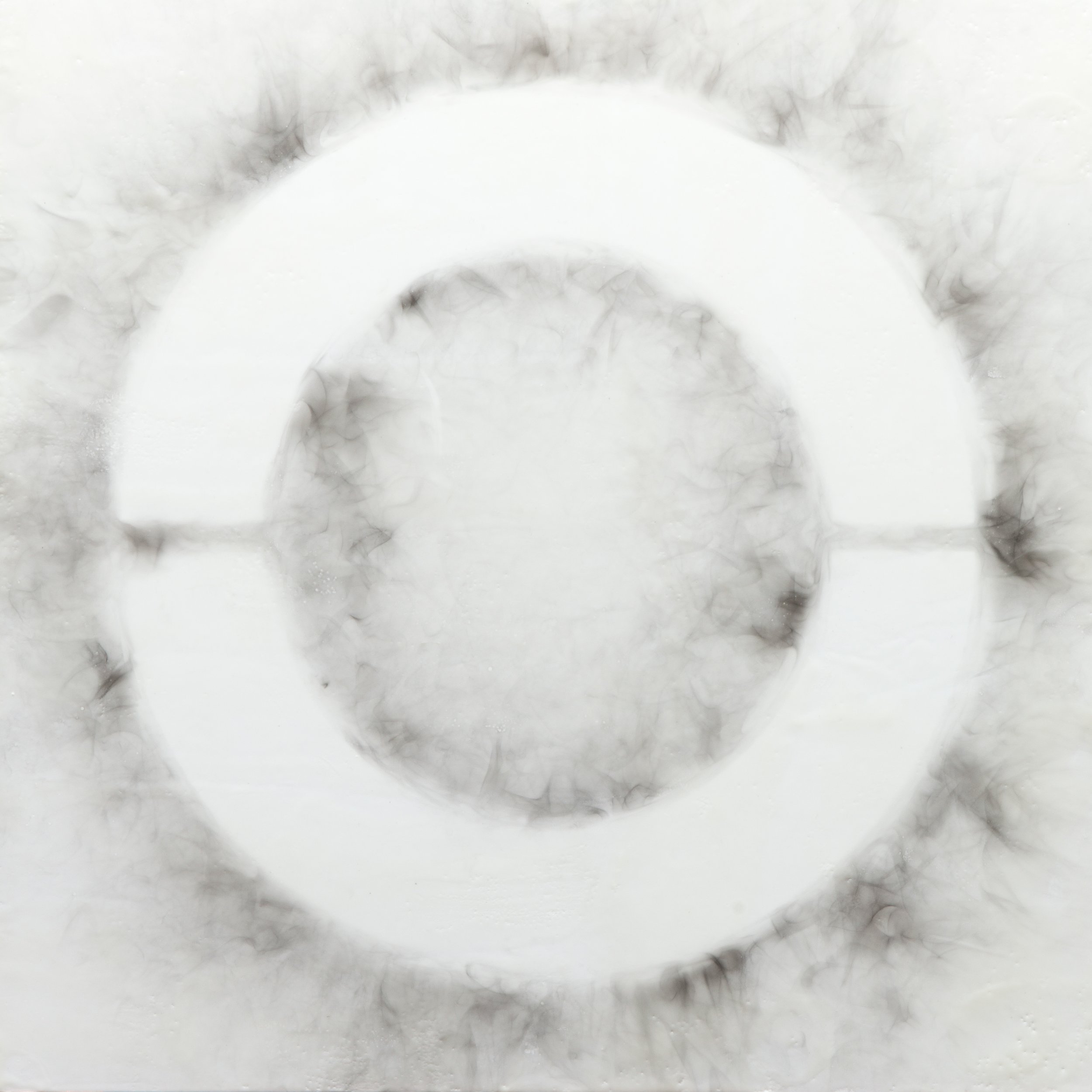
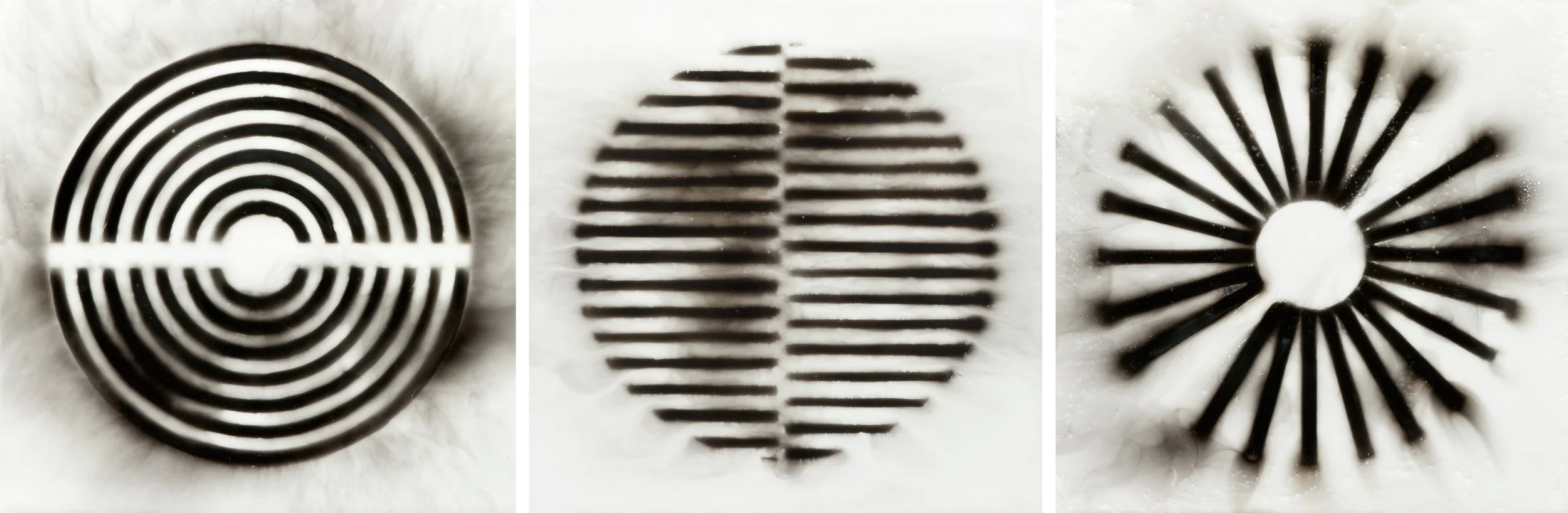
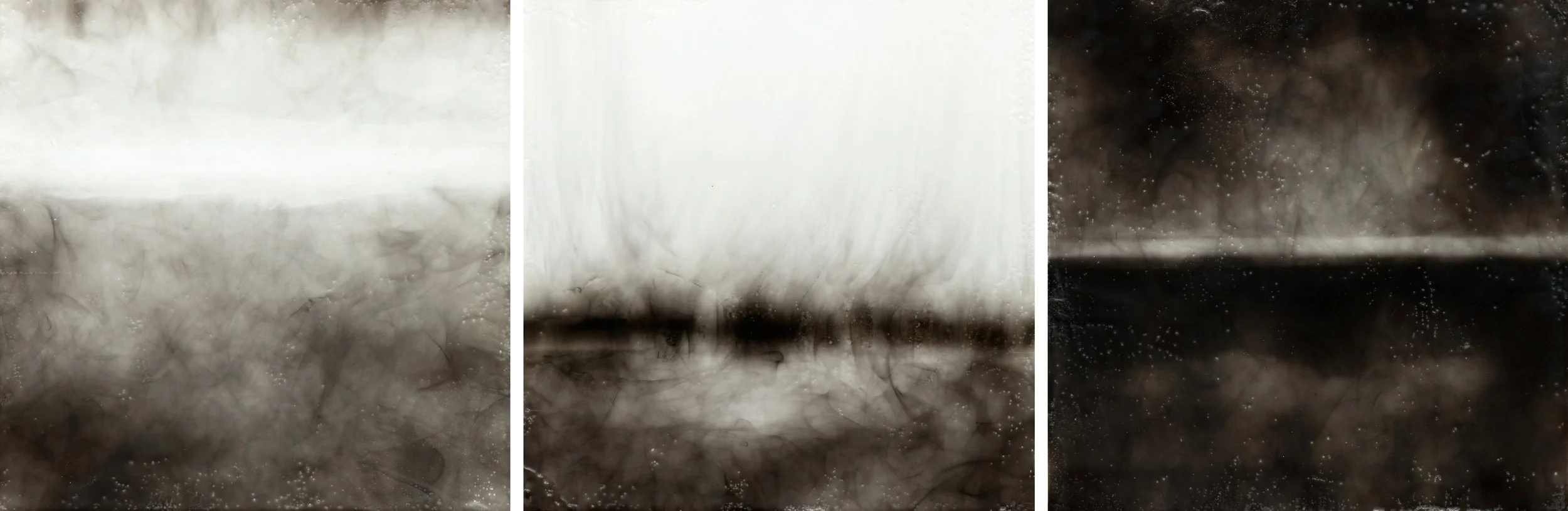
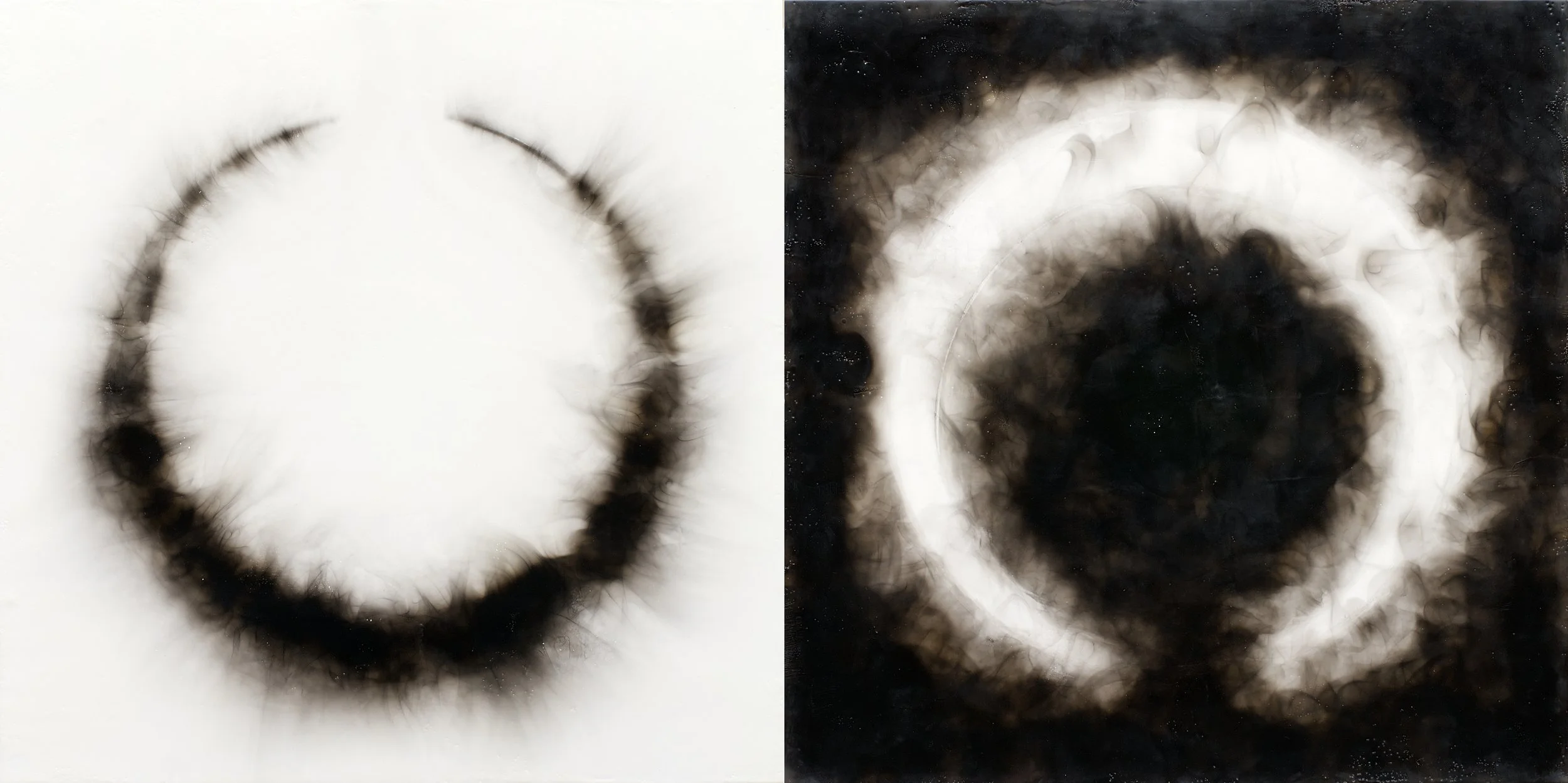
During the long nights of winter, cultures around the world have long gathered around the warm light of fire and imbued it with ritual. Tending the Flame is one man’s attempt to keep the spark of creativity burning during a metaphorical time of darkness. Artist Bryan David Griffith uses fire as a medium to plumb the relationship between nature and humanity. The resulting works juxtapose geometric forms with organic energy to convey themes of attempted control, disruption, loss, and healing. Griffith draws on his experiences learning about wildfire from fire ecologists, beginning with the 2015 project Fires of Change, sponsored by the Southwest Fire Science Consortium, and continuing with additional research for his solo museum exhibitions in Arizona, California, and Oregon.
About the Artist
Interdisciplinary artist Bryan David Griffith explores complex social and environmental issues using simple forms and materials. He earned a degree in engineering and worked for an international management consulting firm before he resigned to follow his conscience. He bought an old van to live out of as he toured the country for years building a new career as an artist. When Griffith’s van broke down in Flagstaff, he fell in love with the town, and then his wife, Tasha. He never left. Griffith is a past winner and four-time finalist for Flagstaff’s Viola Award for Excellence in Visual Arts. His work is held in a number of permanent collections including the Museum of Fine Arts Houston, Phoenix Art Museum, University of Michigan Museum of Art, Center for Creative Photography, and Fort Wayne Museum of Art. His recent solo exhibitions include the High Desert Museum, Fresno Art Museum, and Mesa Contemporary Arts Museum.
Interview with Bryan
1 - How did you discover using fire as a medium, what drew you to this way of creating?
In 2014, I received one of 10 artist grants to study wildfire with scientists and create work for a yearlong group project called Fires of Change. It debuted at the Coconino Center for the Arts in 2015. The project wasn’t my idea. The credit belongs to several individuals and organizations including the CCA, Southwest Fire Science Consortium, and Landscape Conservation Initiative at NAU. How I got involved is a longer story, but what tipped my hand to join was the Slide Fire threatening our home that spring.
At the time, I was working solely in photography. That’s what I was contracted to do. But part way into the project, I realized my photographs weren’t working. They weren’t the the best way to convey the underlying concepts. What if I dropped the ball, with so many people counting on me?
At one of the fire sites we had visited on our initial training, I’d been entranced by a giant black snag still smoldering in a haze of smoke. I thought back to that haunting experience: What if I could bring those actual burned materials into the gallery? What if I could use fire itself as a medium, without the intermediary of a brush or camera? Could I connect with people on a more fundamental sensory level that way?
So, I took a hard left turn: I started experimenting with ways of using fire. After many failures, I developed my way of burning into wax. I started salvaging burned snags, and hundreds of thinned trees with the help of Flagstaff Fire Department. Thankfully the project curator, Shawn Skabelund, supported my pivot away from photography. When Fires of Change opened, my own friends didn’t know which work was mine, because it was so different than what I’d done before.
From there, I kept experimenting further and expanded the body of work into a traveling solo exhibition called Rethinking Fire. Each of the four versions of that exhibit brought new work, science content, and installations to address the fires those communities had faced in California and Oregon.
2 - How do you find your inspiration or theme for a series or show?
I ask myself: What I can say authentically through my personal experience that’s timely and relevant to the issues facing our world today? But how can I say it in way that’s timeless enough that it will remain relevant after today’s issues have passed?
I work best when I’m swept up in a project that’s bigger than myself. On my own, too much top-down thinking can lead to dead ends. I need to listen to ideas percolating up from the bottom around me, too. My best work is a back-and-forth between both ways of thinking. It’s a conversation between concept and form.
I listen to my materials. Fire and natural materials don’t bend to my will like manmade art materials do. They have a mind of their own. It’s like a dance with a stranger who speaks a different language. When it works, there’s a primal energy beneath the surface of the piece. The wild and calm coexist. The tension between the organic and geometric speaks to the relationship between nature and humanity.
I listen while I wander in the woods. Nature is full of colors and forms that are far more nuanced than anything I could come up with in the studio. I never know when inspiration may strike. But the more time I spend outside, the more I stack the deck in favor of serendipity. A few years ago, I was out hiking after a windstorm and came across an aspen that had just blown down near the trail. I walked up to the top of the tree and stuck my head in. A field of leaves fluttered around me. In that moment, I envisioned a form to go with the concept of aspen regenerating, which I’d seen at a wildfire site I had visited a couple years prior. That’s how the installations Rebirth, and later Envision, were born.
3 - You work within several disciplines, how do you find creating 3D art versus installation work to be different, challenges and enjoyment? Is there a similarity to both?
Installations are much higher stakes. Why? Because they’re physically too large and time consuming to construct in my studio. Either I build them entirely on-site, or in pieces to be assembled on-site. There’s no guarantee everything will go together as intended.
This means my installations require an institution to commit to showing them before they can be realized. They can require anywhere from days to months of work, which means I need to procure a grant or some other source of funding. These two hurdles keep many ideas on the shelf.
Once a museum or venue is ready for the installation, there’s a very tight time line between shows when the piece can be installed. That usually means long hours per day. What if something takes longer than planned (remember, it’s never been fully assembled before)? What if there’s ductwork in the way that wasn’t in the floorpan? The show must go on!
So, installations aren’t just art problems, they’re engineering and project management problems. The venue and lots of people are invested in the project and counting on me to deliver. It’s much more stressful than creating a work in the studio at my own pace.
Yet, installations have been some of my most rewarding work. There’s something magical about seeing something so improbable come to life, and seeing the audience immersed in large-scale work.

4 - Within all the different disciplines you create in, did you ever struggle with keeping yourself in one box? Or was it natural to just move through the ways to express and create?
It was more of a linear, meandering evolution. I didn’t set out to be an artist. Then, when I first quit my job, I thought I’d be a landscape photographer. I started out with a big old bellows camera, making meditative photos of the solace I found in nature. I wanted to inspire people to visit and help preserve our wild landscapes. I found some early success and got comfortable in that niche for a while. But being comfortable slowed my growth as an artist. Eventually, I started making more experimental, alternative-process photos with scavenged homemade equipment. That series featured small figures finding their way, acting as metaphors for my own memories. Making the fire work was an unexpected departure from photography, which blew the door off the box, so to speak. I no longer define myself by media. These days, anything goes, so long as it marries well with the concept! Art is a living thing that needs to evolve and adapt. I’ve found I need to stay curious and keep learning, too.
5 - Do you have an artist, style, movement etc. that have shaped you as a creator?
Like all artists, I stand on the shoulders of many who have come before me. But I don’t consider myself to be working in any particular legacy. In terms of impact, my biggest influences aren’t famous artists. They are Jill Waskowsky and Dee Fitzsimmons, my high school art teachers. They encouraged me by entering my paintings in competitions, while also pushing me after class to think more deeply about concept and design. Without them, I wouldn’t be practicing art today. When Dee learned I was going to study engineering at her alma mater, the University of Michigan, she said, “Just remember, the art school is across the street. No matter what you do, you’ll always be an artist inside.” I tried hard to ignore that, but it turns out she was right!
I try to visit museums and galleries wherever I go. I make a point of seeing not only masterworks, but work being made by living artists today. I draw a lot of inspiration from conversations with other artists, including musicians, writers, dancers, and craftspeople. Creatives of all types survive by being resourceful, nimble, and brave. We are all digging for the same fire, tapping into the same joy, tragedy, and mystery of the human experience. When my enthusiasm wanes, the passion in a young artist’s work can fire me up again.